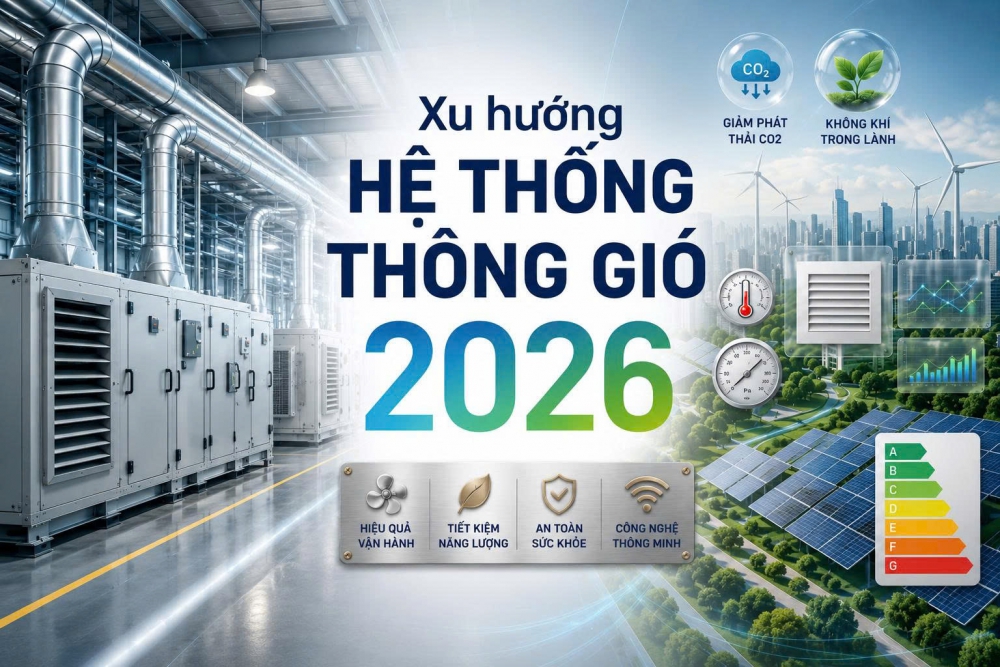
❄️ Ventilation System Trends for 2026

❄️ Ventilation System Trends for 2026

  • 09/05/2026
The latest ventilation system trends for 2026: energy-saving technology, smart automation, clean air filtration and sustainable HVAC solutions for modern factories. As industry places ever more emphasis on energy saving, workplace health and green standards, ventilation systems are becoming one of the most heavily invested areas in 2026. Going beyond traditional air supply and extraction, modern ventilation solutions now integrate smart technology, optimize operation and improve indoor air quality in factories, buildings and residential projects. Below are the key ventilation system trends expected to grow strongly in 2026.

Energy-efficient ventilation takes center stage

Electricity costs are always a major concern for manufacturers and large projects. That is why energy-saving ventilation systems are becoming the preferred choice of many project owners.

Key technologies include:

  • Energy-saving EC fans
  • Inverter drives for ventilation fans
  • Automatic speed control based on actual load
  • Optimized airflow for each zone

These solutions significantly reduce power consumption while still ensuring stable, effective air circulation.

Businesses are also paying more attention to green building standards such as LEED and EDGE, which push HVAC and ventilation systems to optimize their operating efficiency to meet environmental requirements.

Automation and smart control

2026 is seen as a breakthrough year for smart ventilation. Instead of manual operation, many buildings are moving to automatic control using sensors and central management software.

Common features include:

  • Temperature sensors
  • CO2 sensors
  • Humidity sensors
  • Control via phone or computer
  • BMS connectivity for factories and buildings

The system automatically adjusts airflow based on actual conditions, improving operating efficiency and reducing energy waste.

This trend is especially suitable for:

  • Industrial factories
  • Shopping centers
  • Hospitals
  • Cleanrooms
  • Modern office buildings

Better air filtration and indoor air quality

After the global pandemic and with air pollution on the rise, indoor air quality has become a top concern.

Trends for 2026 show ventilation systems increasingly integrating air treatment technologies such as:

  • HEPA filters
  • Activated carbon filters
  • UV germicidal lamps
  • Ionizers for fine dust
  • Fresh air supply systems with filtration

Not only hospitals and cleanrooms but also factories, offices and high-end residential projects now prioritize ventilation solutions that improve air quality.

This helps:

  • Reduce PM2.5 fine dust
  • Limit bacteria and mold
  • Improve occupants' health
  • Increase productivity

The move toward sustainable materials

Environmentally friendly materials are increasingly used in ventilation and HVAC systems.

Popular materials include:

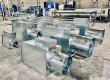
  • Corrosion-resistant ducts
  • Non-toxic insulation materials
  • High-quality galvanized steel
  • Lightweight, durable ABS plastic grilles
  • Effective noise-reducing materials

Beyond durability, these new materials also help:

  • Reduce heat loss
  • Extend system life
  • Lower maintenance costs
  • Optimize sound insulation

This is especially important for factories that run continuously or environments that demand high stability.

Ventilation designs optimized for each project

Where many projects used to apply the same ventilation solution to every area, design is now shifting toward optimizing for actual use.

For example:

  • High-heat production areas need high-capacity heat extraction
  • Cleanrooms require strict pressure control and filtration
  • Restaurants need effective smoke and odor extraction
  • Basements need CO ventilation and fire smoke extraction

Purpose-built design helps:

  • Improve operating efficiency
  • Save on investment costs
  • Reduce power consumption
  • Ensure technical compliance

This is also why businesses increasingly prefer contractors with experience in complete HVAC design rather than suppliers of individual equipment.

Heat recovery systems are becoming more common

One of the standout trends of 2026 is the use of heat recovery technology in ventilation systems.

How it works:

  • Recovering heat from exhaust air
  • Reusing it for air conditioning or fresh air supply

Benefits:

  • Energy savings
  • Reduced load on air conditioning
  • Higher HVAC system efficiency
  • Lower long-term operating costs

This technology is especially suitable for:

  • Large factories
  • Commercial buildings
  • Cleanrooms
  • Data centers

Green HVAC and sustainable development

Sustainable development is now the shared direction of the global construction and industrial sectors. HVAC and ventilation systems in 2026 therefore need to be not only effective but also environmentally friendly.

Many businesses now prioritize:

  • Energy-saving equipment
  • Lower carbon emissions
  • Optimized energy performance
  • Environmentally friendly refrigerants
  • Automatic monitoring of power consumption

This is no longer a short-term trend – it will become a mandatory standard in the future.

Conclusion

2026 marks a major transformation in the ventilation and HVAC industry, with key trends including:

  • Energy saving
  • Smart control
  • Clean air filtration
  • Sustainable materials
  • Project-optimized design
  • Green HVAC and automation

For businesses and project owners, keeping up with these trends not only improves operating efficiency but also creates a lasting competitive advantage in the modern industrial era.

If you are looking for optimized ventilation design and installation for a factory, building or industrial project, choosing an experienced contractor that keeps up with new technology will be a key factor in future operating efficiency.

Related articles
zalo zalo zalo